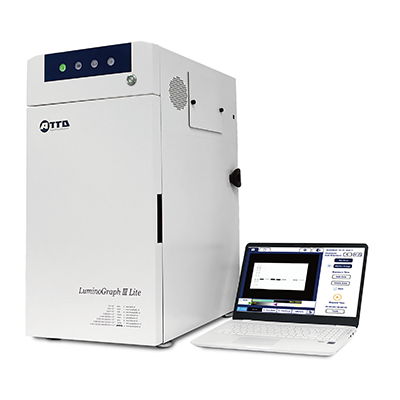
WSE-6370 LuminoGraph III Lite
Purpose and Application
- Western blot, Dot blot
- DNA gel
- Bioluminescence
- Protein gel (Colorimetric)
Features
- AutoExposure
→ The suitable exposure time is automatically calculated and images are photographed and saved - Auto contrast・Inverse image
→Control software and image analysis software is available for auto contrast and inverse image functions - Simple icon, User-friendly
- Auto exposing, Sum, etc. Various detection mode
- User registration and personal folder: Simple an image file management
- 6 mega pixels high sensitive cooled CCD camera enables high resolution and sensitivity
- F 0.8 high sensitive lens
CS Analyzer -ATTO Original analysis software
- Windows PC installation
- Housekeeping protein ratio Normalization function
- Free updating(Software) service
- Image analysis function
- Revision of distortion bands pattern
- Quantitative analysis of band signal intensities
Description
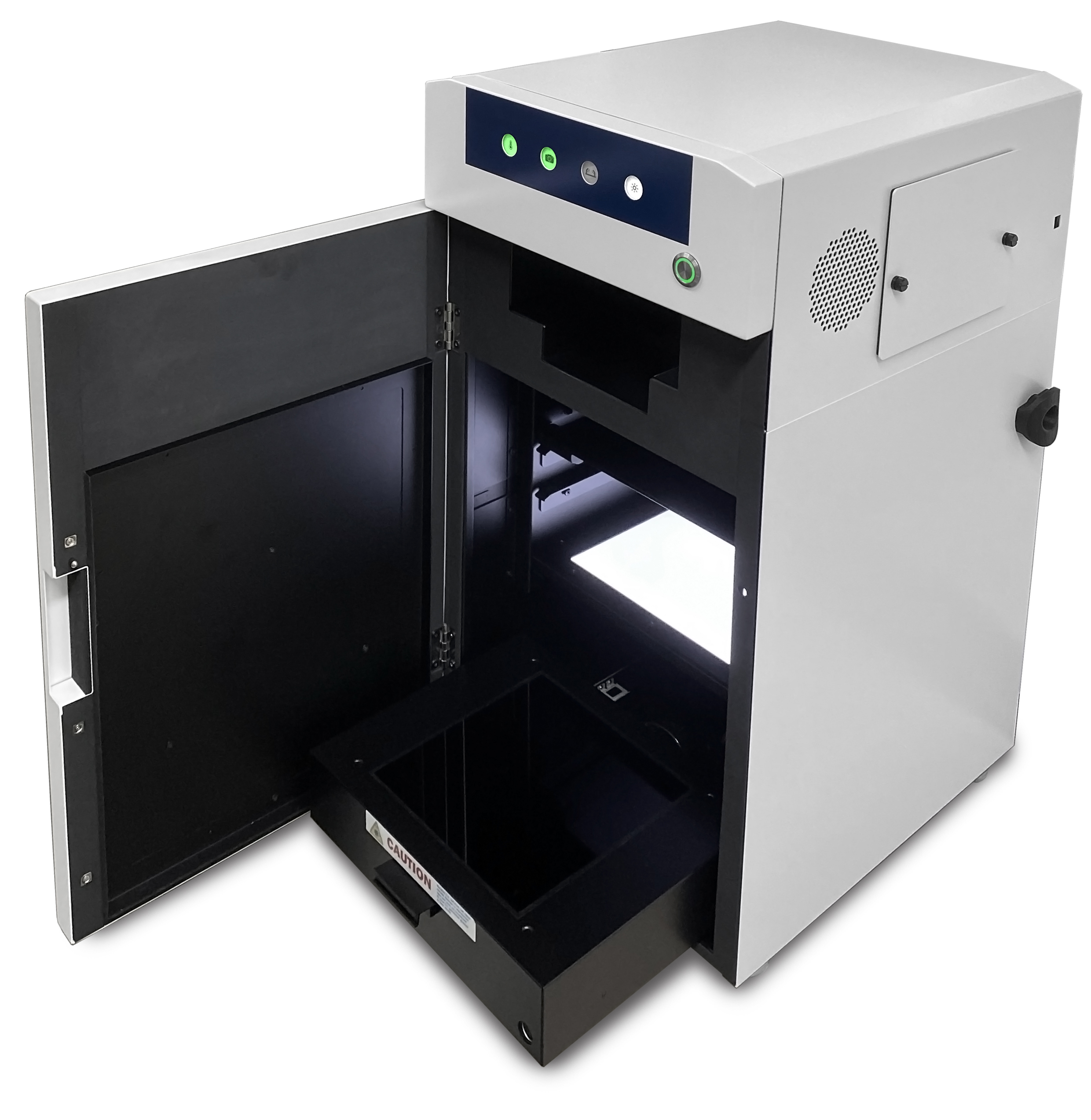
① CAMERA LENS FILTER
- Camera: 6 Megapixel Cooling CCD Camera
- Lens: High-Sensitivity F0.8 prime lens
- Filter: BPF590 (Band Pass), ND (Neutral Density) Filter
- The high-sensitivity, high-resolution cooled CCD camera captures chemical and fluorescent samples with exceptional clarity and detail.
- The filters are automatically switched when shooting in fluorescence or white light modes, ensuring optimal performance for each type of imaging.
- The F0.8 prime lens delivers sharp, high-sensitivity images.
② White LED transilluminator
- Using a white LED transilluminator, you can capture high-resolution images of CBB-stained gels, silver-stained gels, and more, with a 6-megapixel resolution.
- The images can be saved as 16-bit TIFF files, making them suitable for quantitative analysis.
③ UV transilluminator
- The UV transilluminator can detect a variety of fluorescent dye reagents, including EtBr, at a wavelength of 312 nm.
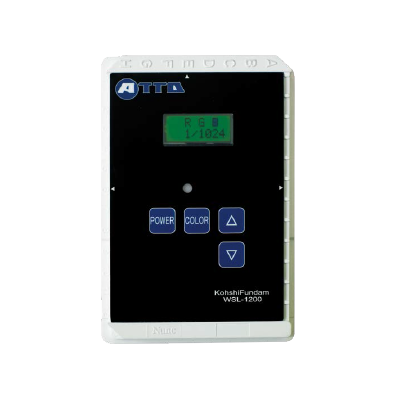
RGB light source unit (Option)
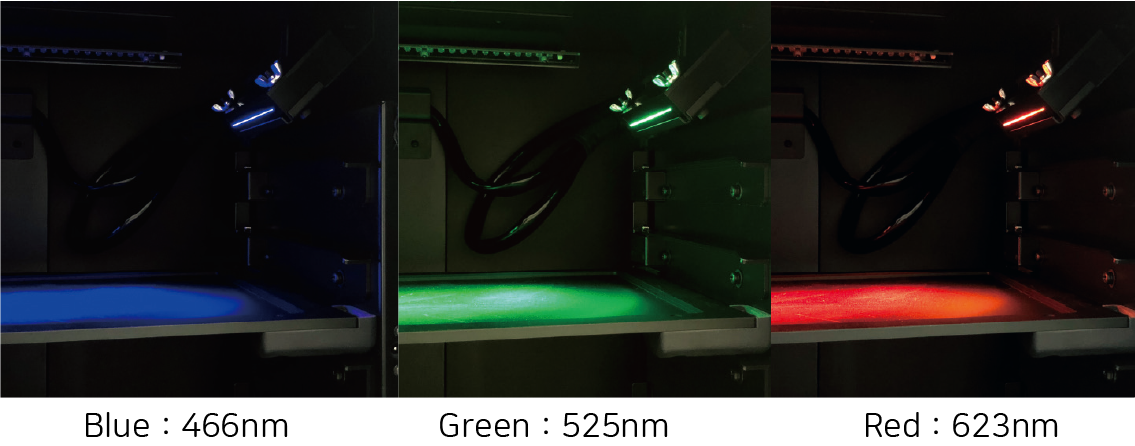
- The RGB light source installed in the LG Ⅲ Lite is a high-power white LED that is highly energy-efficient and uses a phosphor capable of efficiently converting wavelengths.
- This LED emits light within the visible spectrum (420–780 nm), excluding ultraviolet and infrared wavelengths.
- When combined with a bandpass filter of the appropriate wavelength range, this white LED irradiates excitation light while maintaining high brightness. Additionally, its power-saving design ensures an exceptionally long lifespan of 50,000 hours, providing reliable and confident use.
Convenient Shooting Features
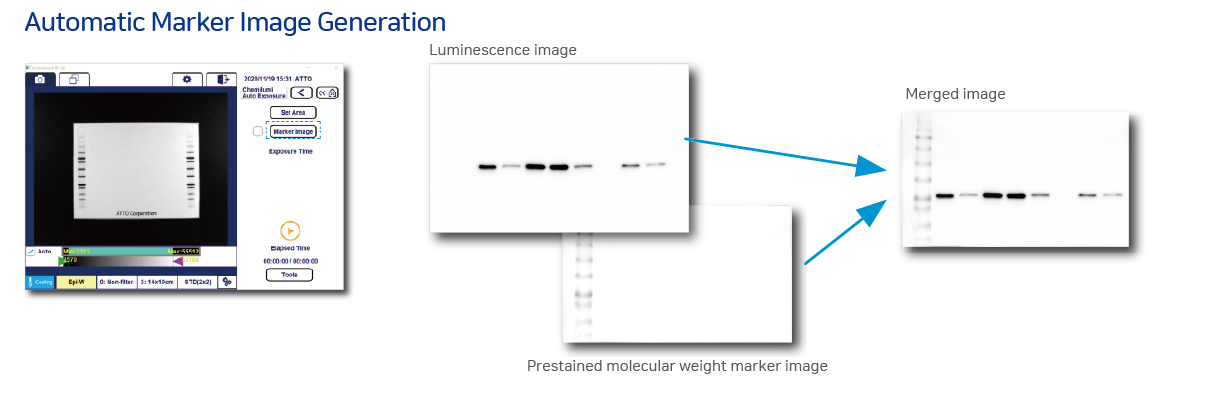
- By simply clicking the ‘Marker Image’ button, a prestained molecular weight marker image will be automatically captured while taking a chemiluminescence image, and a composite image will be automatically created with the chemiluminescence image.
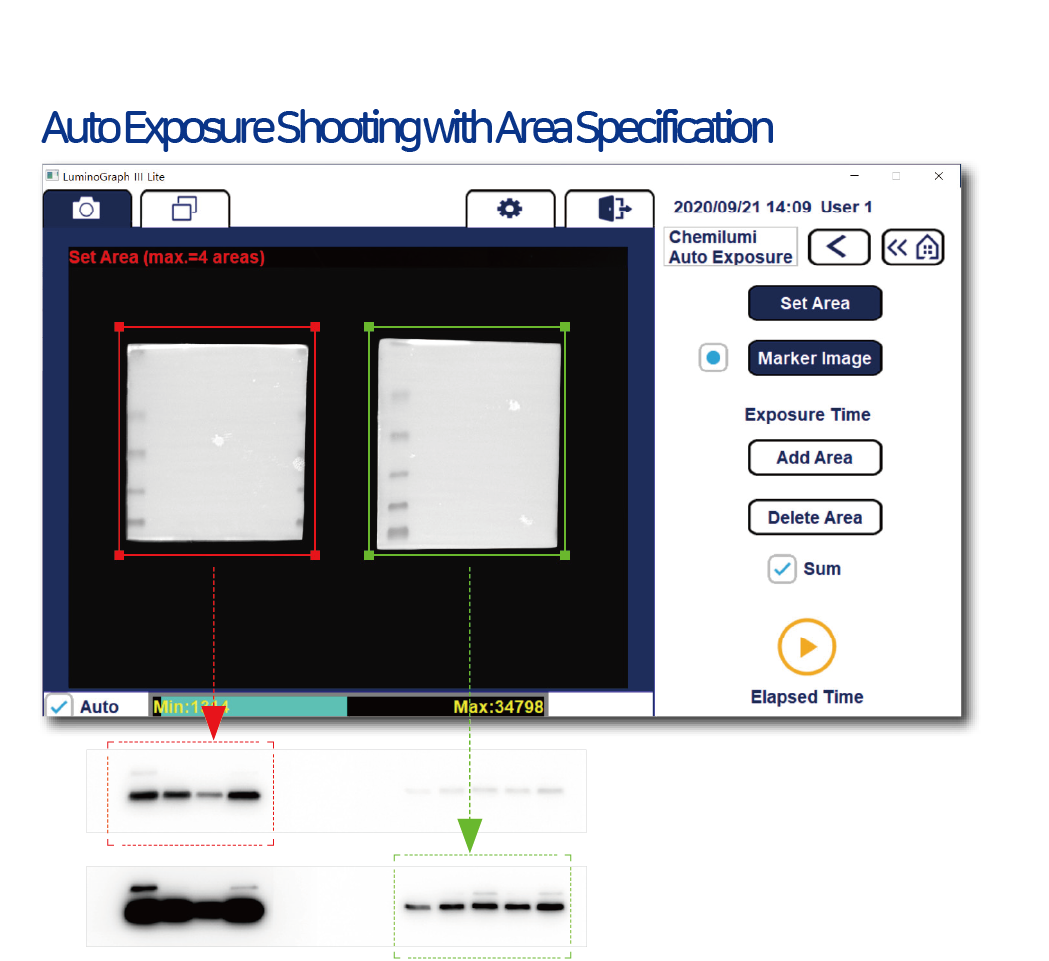
- Samples with strong signals are automatically photographed first, followed by those with weak signals.
- When photographing multiple samples together, the optimal exposure time is calculated for each area, and a separate image is created for each area.
- This ensures good results, even when there is a large difference in expression levels.
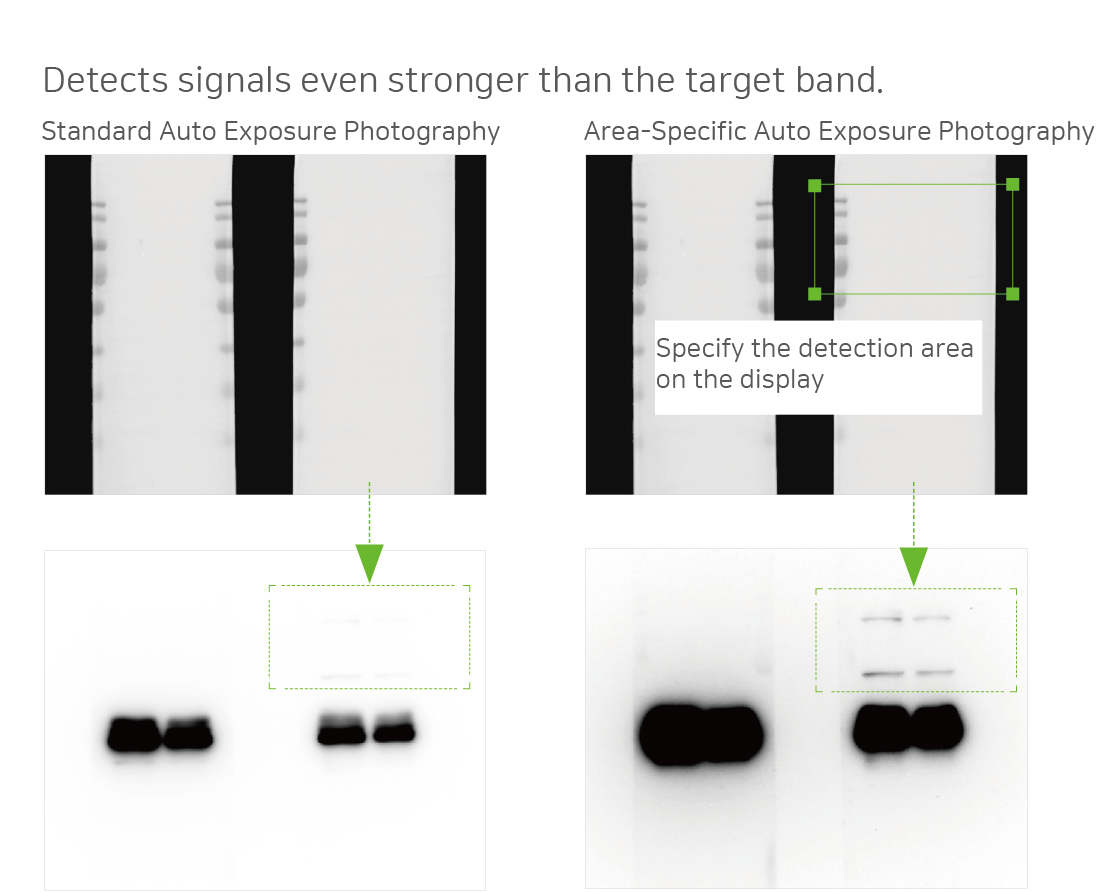
- If the signal of the target band is much weaker than that of other non-specific bands, it can be difficult to detect with general automatic exposure, as the exposure will be adjusted based on the stronger signal.
- However, by using the area designation function to select an area around the target band, it becomes possible to detect it even in such cases.
Impact of Binning Settings on Detection Sensitivity and Image Quality
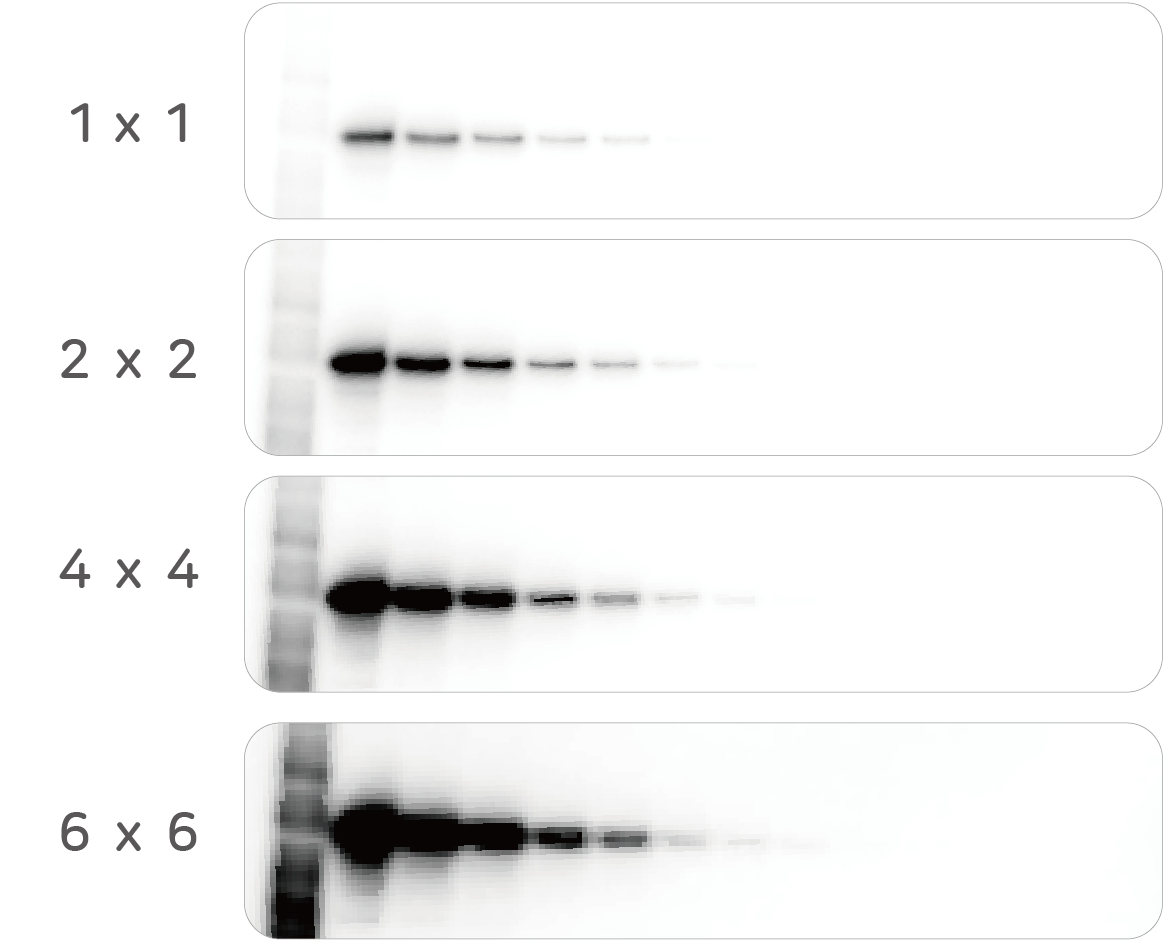
- Binning is an image processing technique used in digital image sensors to adjust image quality and sensitivity.Adjacent pixels are grouped together, and their pixel values are combined and treated as a single value.This enhances weak signals, improving the signal-to-noise ratio and sensitivity, while also shortening image acquisition time.However, it can reduce image quality due to the decreased resolution, so care must be taken when detecting closely spaced bands.
- The transferrin protein was electrophoresed in a 1/2 dilution series, starting from 10 ng per lane, and the results were obtained by Western blotting using an anti-transferrin antibody.The image was captured after reaction with an HRP chemiluminescent substrate.
[Condition]
Gel: UH-R420
Sample: Human transferrin(1/2 dilution series from 10 ng/lane)
Transfer conditions: EzFastBlot, 24V, 15 min
Blocking: EzBlockCAS, 1 hr
Primary antibody: Anti-human transferrin rabbit polyclonal antibody
Secondary antibody: HRP-labeled anti-rabbit Ig antibody
Western Blotting with Various Detection Methods
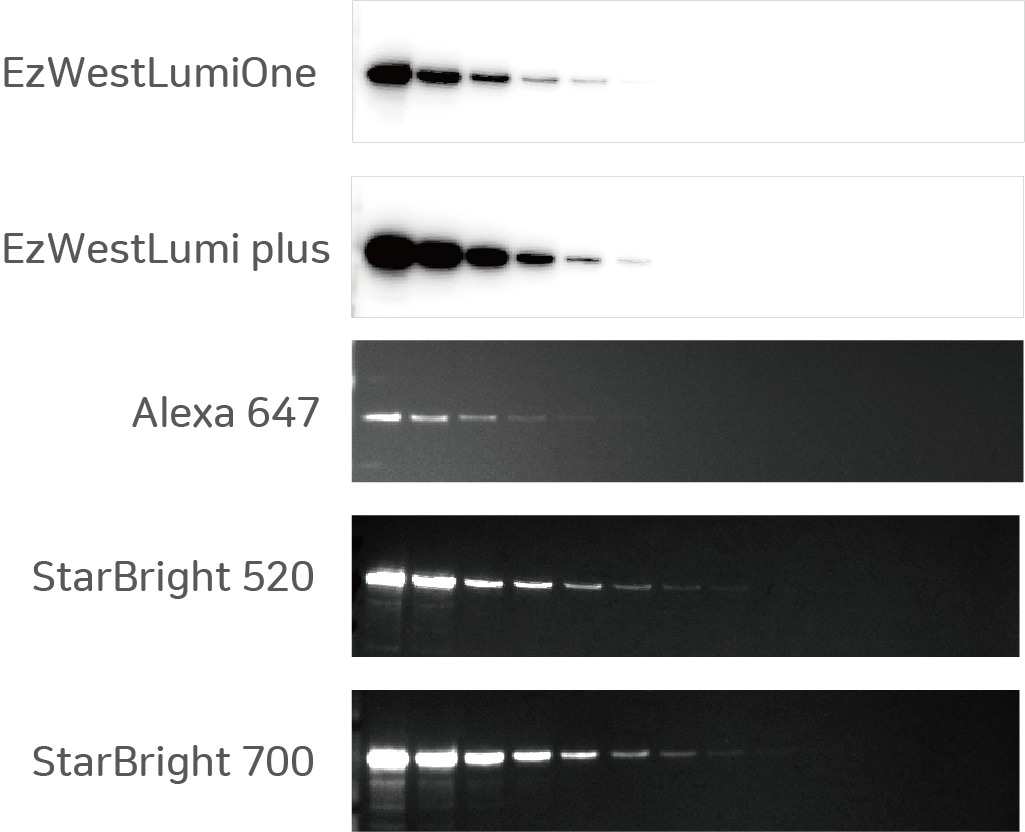
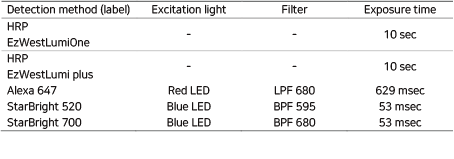
- The results of Western blotting with an anti-transferrin antibody are shown for transferrin protein electrophoresed in a 1/2 dilution series, starting from 10 ng per lane. The images were captured using luminescence photography after reaction with an HRP chemiluminescent substrate, or fluorescence photography using an RGB light source.
[Condition]
Gel: UH-R420
Sample: Human transferrin (1/2 dilution series from 10 ng/lane)
Transfer conditions: EzFastBlot, 24V, 15 minutes
Blocking: EzBlockCAS, 30 minutes
Primary antibody: Anti-human transferrin rabbit polyclonal antibody
Secondary antibody: HRP/Alexa647/StarBright520/StarBright700 labeled anti-rabbit Ig antibody
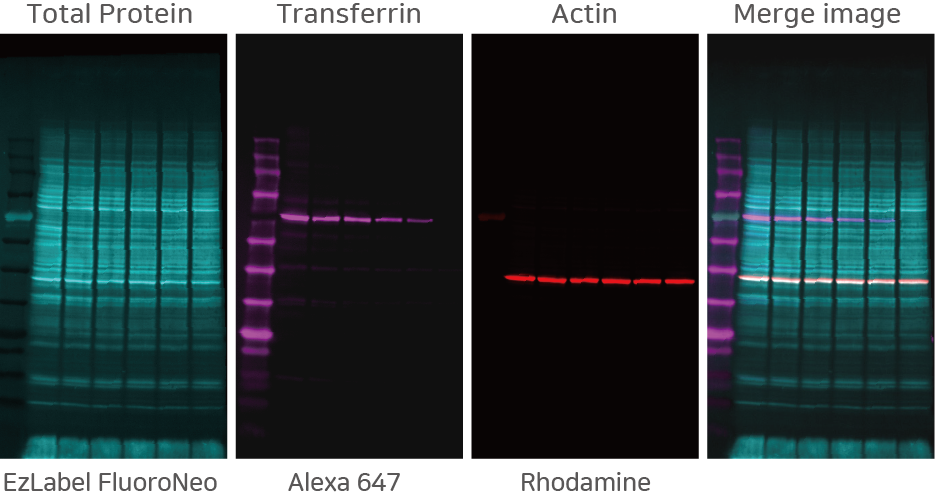
Normalization of Total Protein Using Fluorescent Western Blotting
[Condition]
Gel: UH-T420
Sample: Mixture of HeLa cell extract with added transferrin EzLabel FluoroNeo-labeled HeLa cell extract (20µg/all lanes) Human Transferrin (10, 7.5, 5.0, 2.5, 1.0, 0 ng/lane from left)
Transfer conditions: EzFastBlot, 24V, 15 min
Blocking: EzBlockCAS, 30 min
[Transferrin detection]
Primary antibody: Anti-human transferrin rabbit polyclonal antibody
Secondary antibody: Alexa 647-labeled anti-rabbit Ig antibody
[Actin detection]
Antibody: Rhodamine-labeled anti-human actin antibody Imaging device: LuminoGraphⅢLite
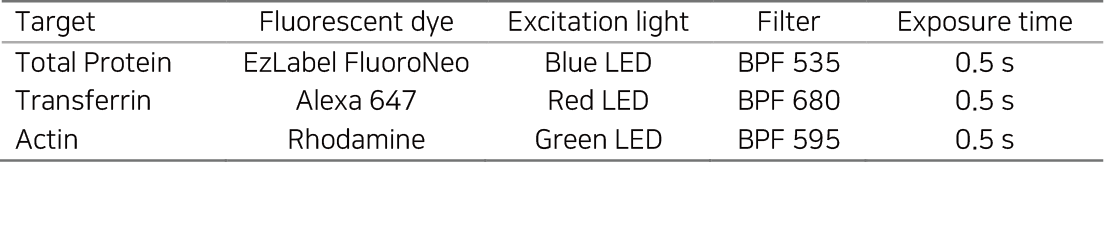
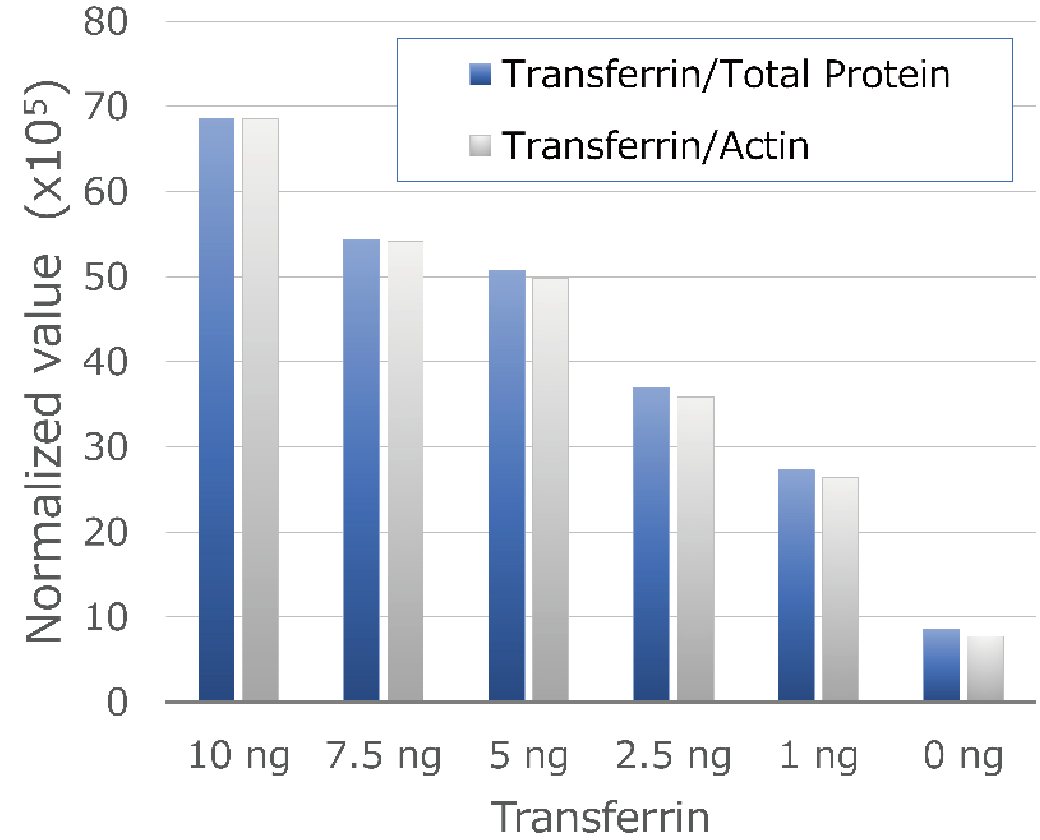
- The results are shown for HeLa cell extract protein samples with 0 to 10 ng of transferrin added per lane, which were electrophoresed using u-PAGEL H. After the Western blotting reaction, the results were captured using the LuminoGraph Ⅲ Lite. The graph shows the results of normalizing the transferrin amount based on the signal values of total protein and housekeeping protein (actin) after analyzing each image using CSAnalyzer 4.
Detection of Fluorescently Stained Gels
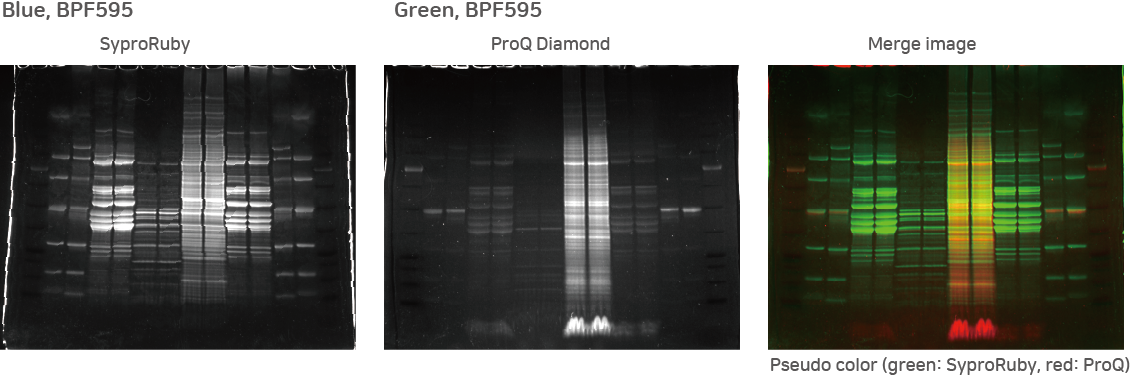
- The same gel was stained with SYPRO Ruby after detecting phosphorylated proteins using Pro-Q Diamond Phosphoprotein Gel Stain. The merged image was generated using CS Analyzer.
sample
Lane 1, 14: EzProtein Ladder
Lane 2, 13: EzStandard Ⅱ
Lane 3, 12: EzLabelFluoroNeo attached marker
Lane 4, 5: Chick muscle protein
Lane 6, 7: E. Coli extract protein
Lane 8, 9: HeLa cell extract protein
Lane 10, 11: Chick muscle protein
Various Gel Examples
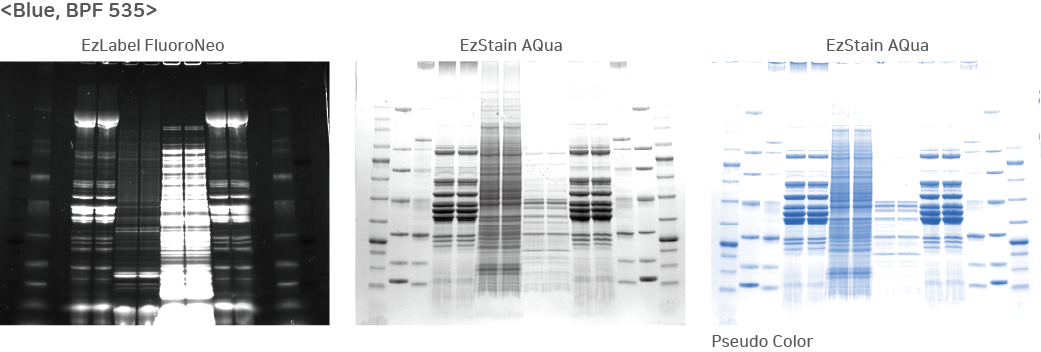
- The images shown are of gels fluorescently labeled with EzLabel FluoroNeo or stained with CBB (EzStain AQua), using the indicated light source and filter combinations. The CBB-stained gels were then colorized using CS Analyzer.
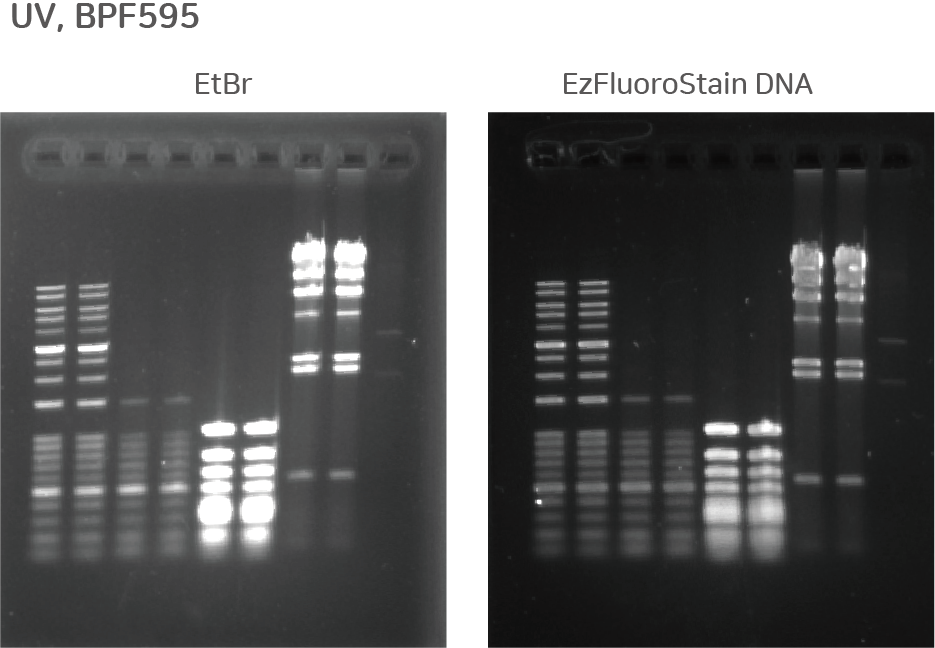
- The image shows the result of electrophoresis of DNA size markers on a 1.2% agarose gel (1X TAE), followed by staining with a fluorescent reagent for 30 minutes. The image was captured using a BPF595 filter with a UV transilluminator.
Brochure
Specifications
| WSE-6370 LuminoGraph III Lite | ||
|---|---|---|
| CCD resolution | 6 Mega pixels (2750 × 2200) | |
| Pixel density | 16-bit (65,535 gray levels) | |
| Camera lens | F 0.8 | |
| Binning | 1x1, 2x2, 4x4, 6x6 binning | |
| Imaging area | 4 position (10 × 7.5 cm / 14 × 10 cm / 18 × 13 cm / 26 × 20 cm) | |
| Filter | Motorized, 5 position (ND / 595 nm) RGB Light Source (Optional): BPF535 Bandpass Filter, BPF680 Bandpass Filter |
|
| Control | Windows PC (Windows 10/11, 32/64 bit) & Control software | |
| Data output | 16-bit TIFF, 8-bit TIFF, 8-bit JPEG, 8-bit BMP | |
| Power | 100~240 VAC, 50/60Hz, 200W (MAX) RGB Light Source (Optional): 100–240 VAC, 50/60 Hz, 60 W (Max.) |
|
| Dimension | 390 (W) × 460 (D) × 750 (H) mm RGB Light Source (Optional): 145 (W) × 200 (D) × 140 (H) mm |
|
| Weight | 50.3 kg RGB Light Source (Optional): 2.7 kg |
|
| Light source | Epi White LED | O |
| Trans White LED | O | |
| Trans UV | O | |
| RGB Light Source (Optional) | Blue: 466 nm / Green: 525 nm / Red: 623 nm | |
Ordering Information
| Code No. | Description | Unit |
|---|---|---|
| 2006370 | WSE-6370 LuminoGraph III Lite | 1 set |
| 2006377 | RGB light source unit for WSE-6370 | 1 set |
Related products

CS Analyzer 4
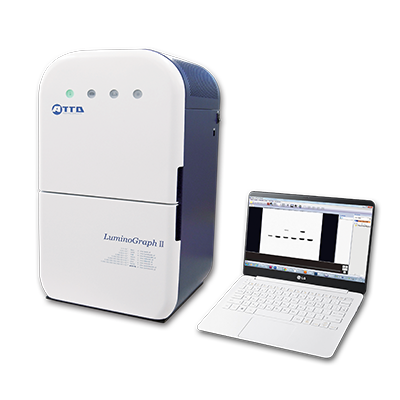
WSE-6200 LuminoGraph II
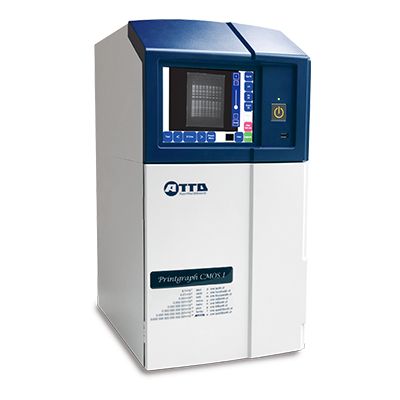
WSE-5300 Printgraph CMOS I
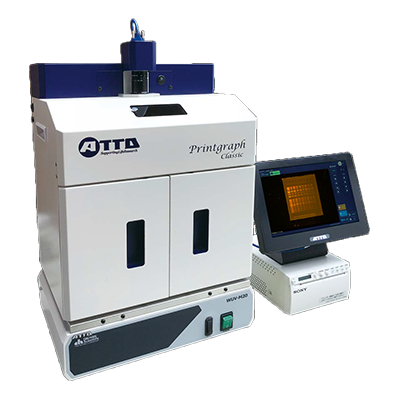
WSE-5400 Printgraph Classic