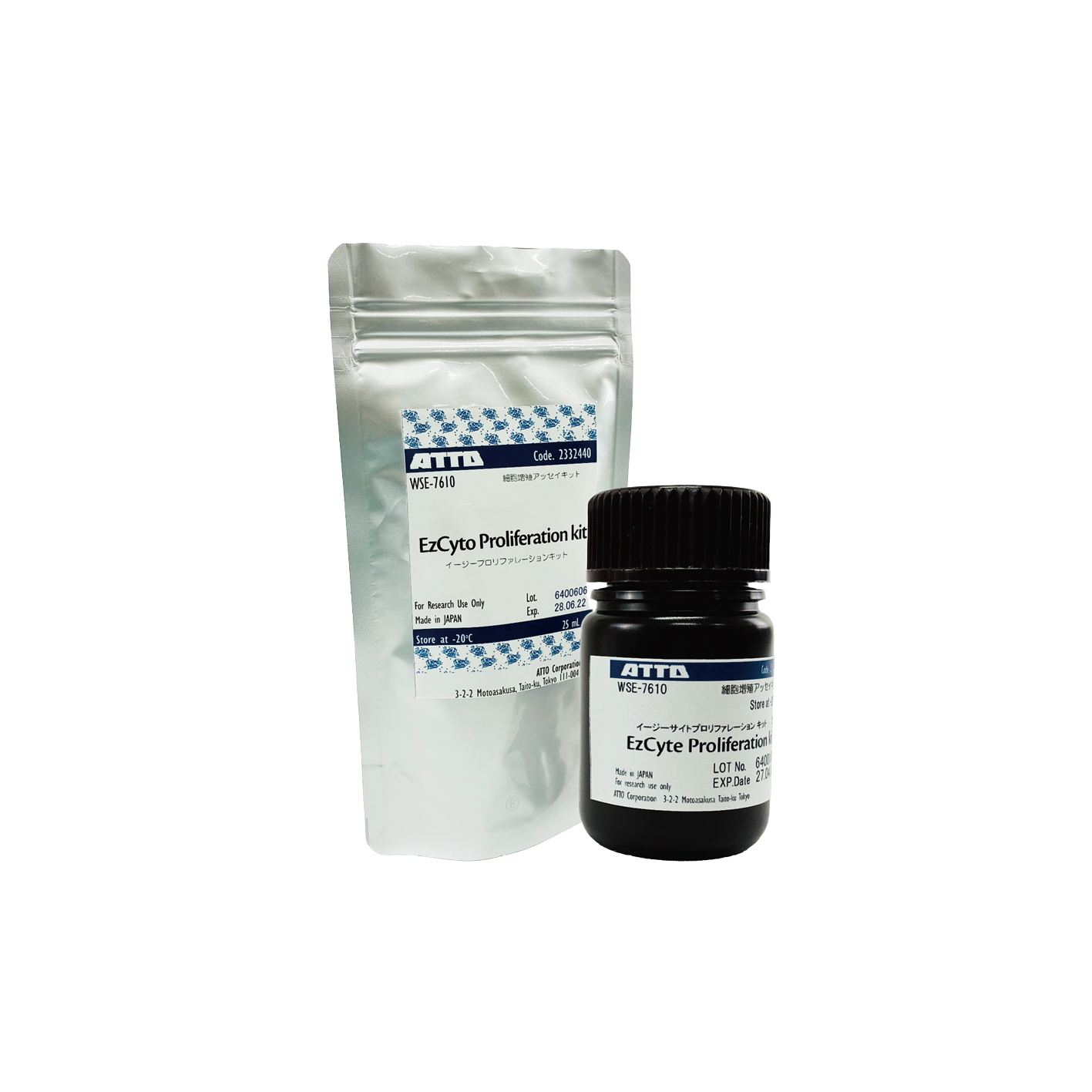
WSE-7620 EzCyto LDH Cytotoxicity kit
Purpose and Application
- Quantitative assessment of cytotoxicity based on LDH activity.
Features
-
Quantitative LDH-based cytotoxicity assay
-
No cell washing or lysis required
-
Includes a resazurin reagent for assessing cell viability and metabolic activity
-
Suitable for cytotoxicity studies and drug screening
-
Compatible with time-course assays
-
Two-reagent system for enhanced storage stability
Description
LDH(LDH: LactateDehydrogenase) is a cytosolic enzyme that is released into the culture medium when the cell membrane is damaged. Therefore, the amount of LDH released reflects the degree of cell damage and can be used as an indicator of cytotoxicity.
In the assay, LDH in the culture supernatant catalyzes the conversion of lactate to pyruvate while reducing NAD⁺ to NADH. The resulting NADH drives the reduction of the tetrazolium salt (INT) via an electron mediator, producing a colored formazan product. The absorbance of the formazan is measured at approximately 490 nm and is proportional to the amount of LDH released, allowing quantitative assessment of cytotoxicity.

-のコピー.png "吸光スペクトル(レサズリン) のコピー")
Absorption Spectra of Resazurin / Resorufin
Absorbance: 570 nm
Reference wavelength: 600 nm
-のコピー.png "蛍光スペクトル(レサズリン) のコピー")
Fluorescence Spectrum of Resorufin
Excitation (Ex): 530–560 nm
Emission (Em): 590–610 nm
Data
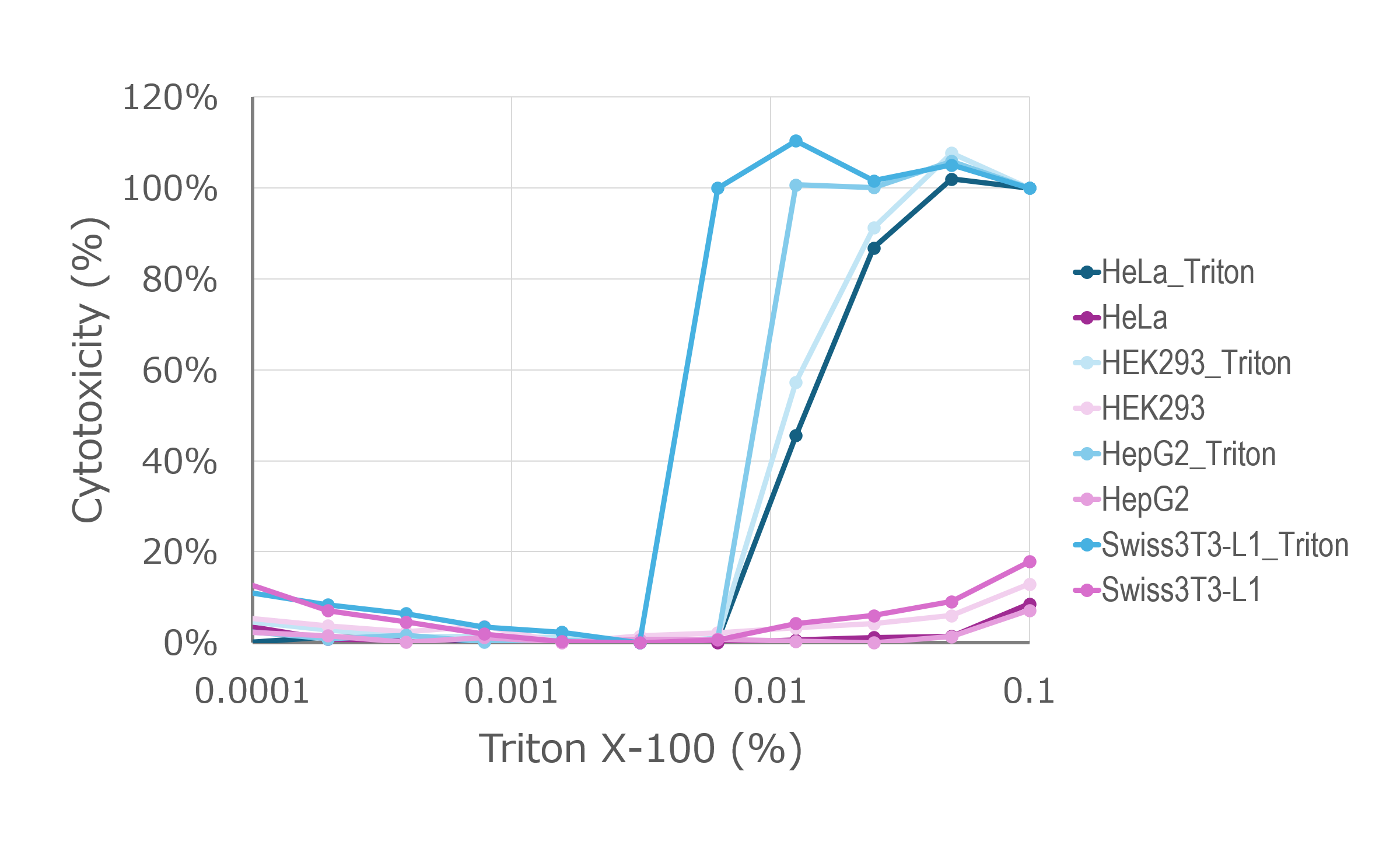
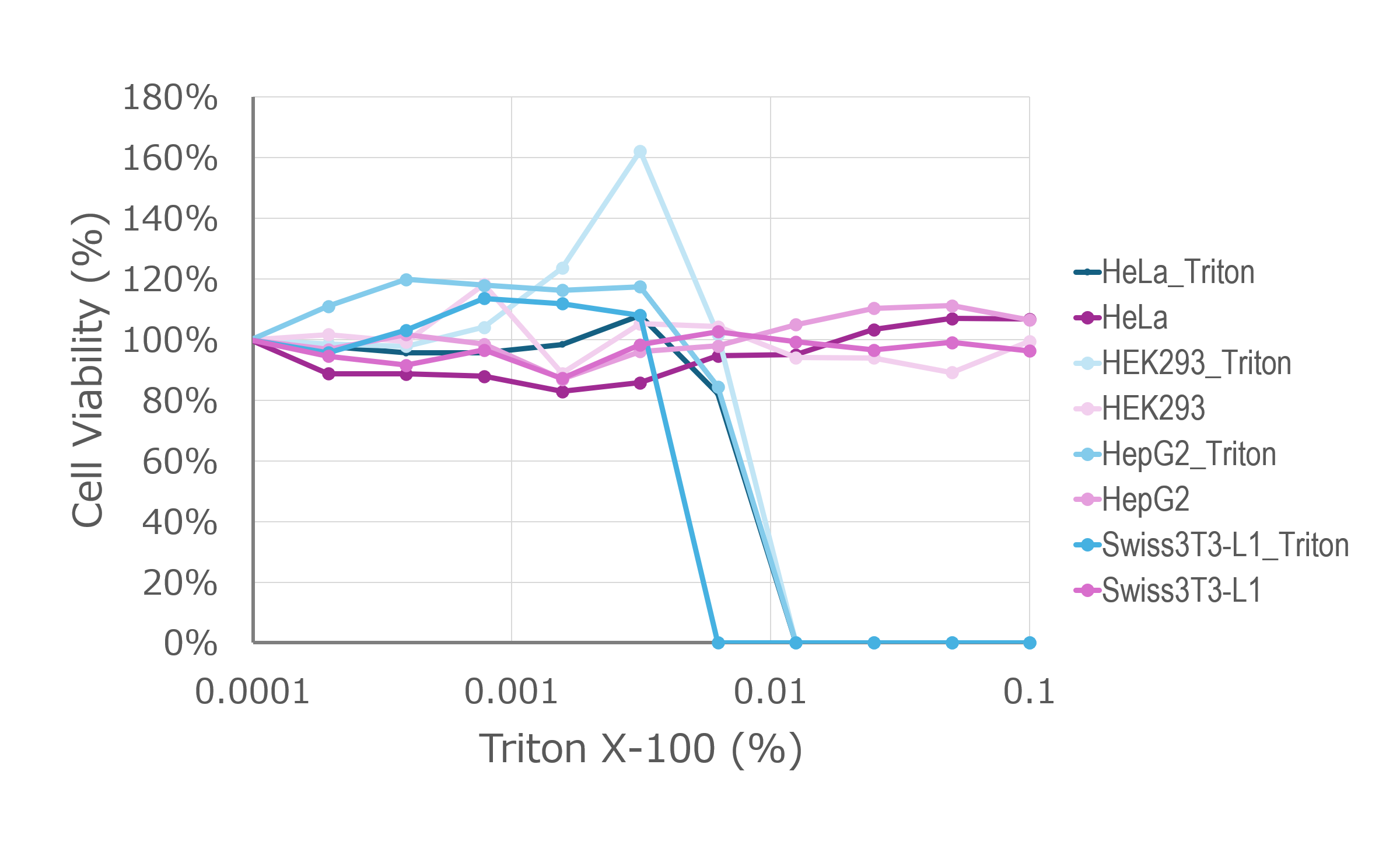
(A) Cytotoxicity Based on LDH Activity Using the EzCyto LDH Cytotoxicity Kit
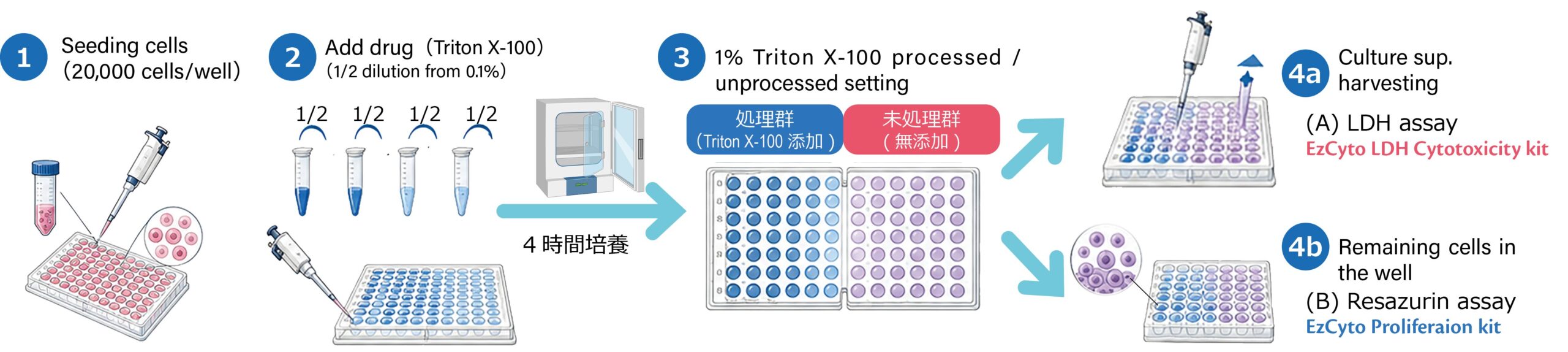
LDH activity was calculated by subtracting the absorbance at 680 nm from that at 490 nm. The 1% Triton X-100-treated group was defined as 100% cytotoxicity (blue). Although sensitivity varied among the cell lines, LDH activity and cytotoxicity increased with increasing Triton X-100 concentrations in all cell lines tested.
(B) Cell Viability Based on the Resazurin Assay Using the EzCyto Proliferation Kit
The resazurin assay signal was calculated by subtracting the absorbance at 600 nm from that at 570 nm. The untreated group was defined as 100% cell viability (purple). In contrast to the LDH assay, cell viability decreased with increasing Triton X-100 concentrations.
The LDH and resazurin assays showed opposite but complementary responses to increasing Triton X-100 concentrations, demonstrating the relationship between increased cell membrane damage and decreased cell viability.
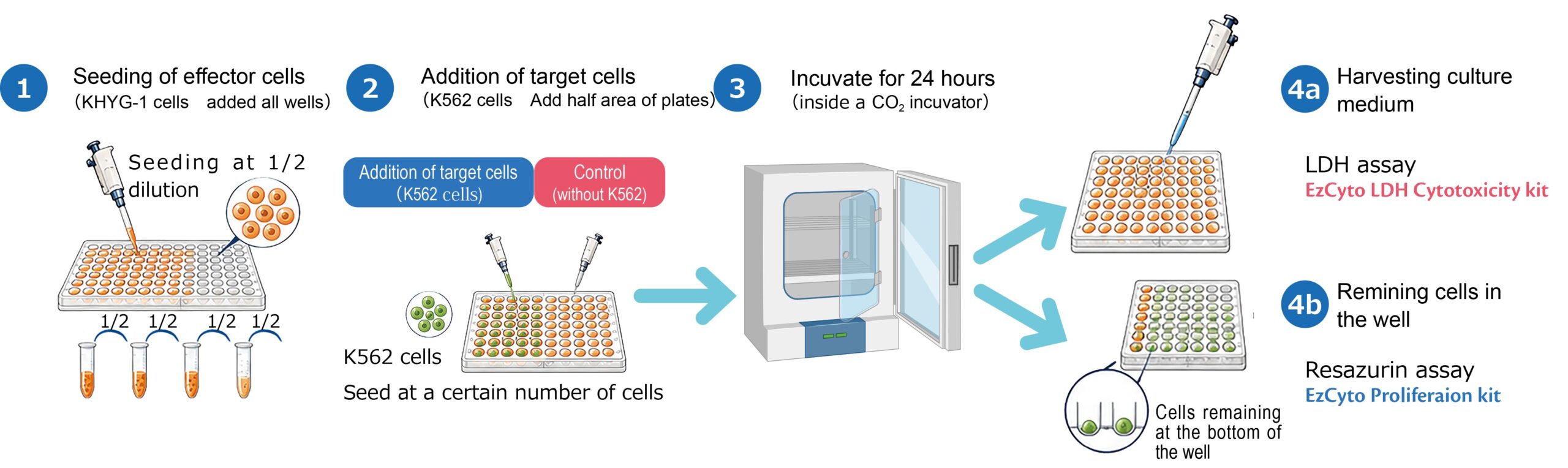
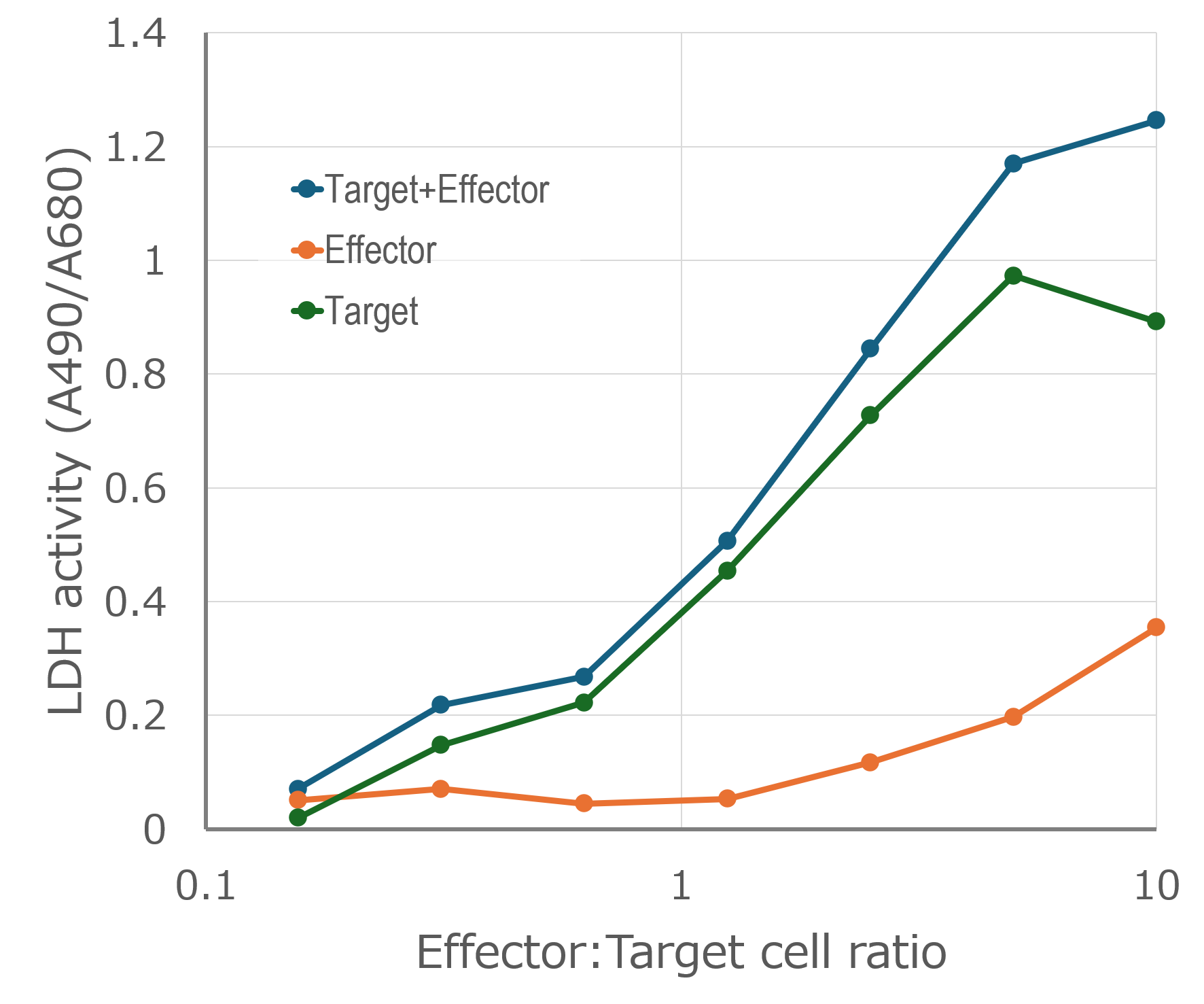
(A) LDH Activity Measured Using the EzCyto LDH Cytotoxicity Kit
LDH activity in the effector cell-only group remained generally low, although an increase was observed at the highest cell density, likely due to overconfluence (A). In the co-culture conditions containing K562 target cells, LDH activity increased with increasing effector cell numbers despite a constant number of K562 cells (A).
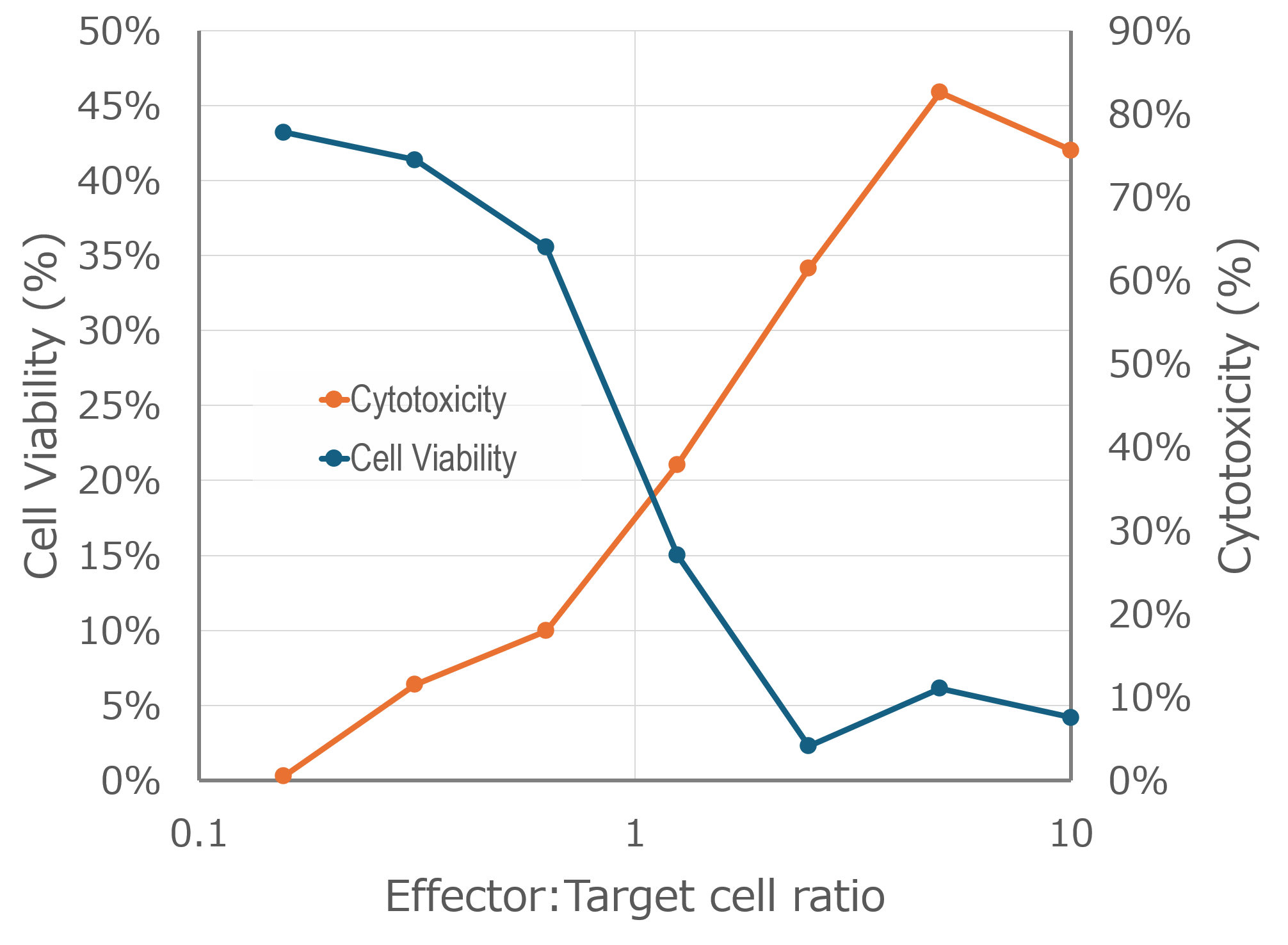
Cytotoxicity also increased in an E/T ratio-dependent manner (C). These results indicate that increasing numbers of KHYG-1 cells induced greater damage to K562 cells, resulting in increased LDH release into the culture medium.
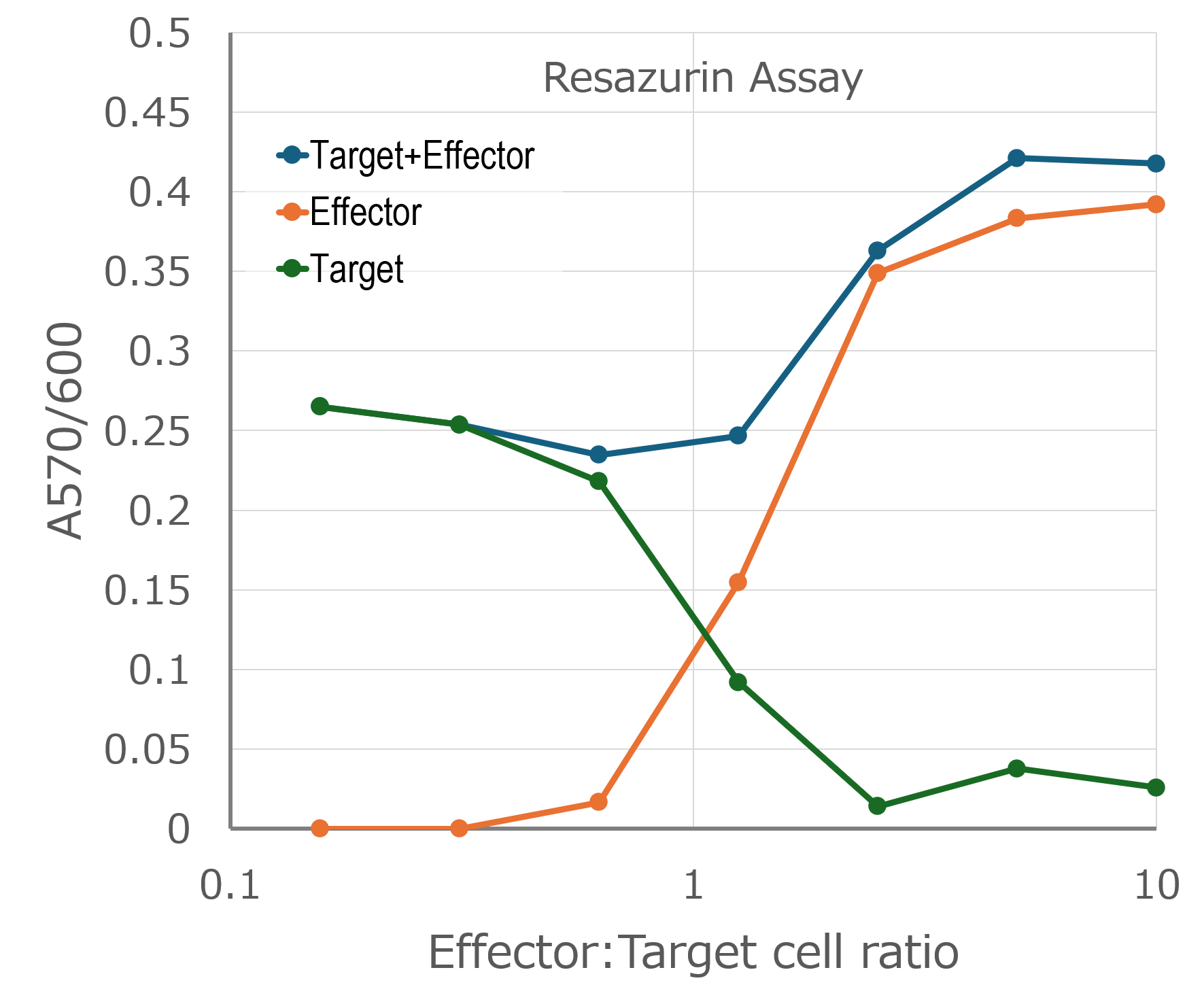
(B) Resazurin Assay Results Using the EzCyto Proliferation Kit
The resazurin assay signal decreased as the number of effector cells increased (B), accompanied by a corresponding decrease in target cell viability (C). This indicates that the cytotoxic activity of KHYG-1 NK cells reduced the number of viable K562 target cells, resulting in a lower resazurin assay signal.
The LDH cytotoxicity assay and resazurin-based cell viability assay showed consistent and complementary results, demonstrating that the two assays can effectively evaluate NK cell-mediated cytotoxicity of KHYG-1 cells against K562 target cells.
Instruction Manual
Specifications
| WSE-7620 EzCyto LDH Cytotoxicity kit | |
|---|---|
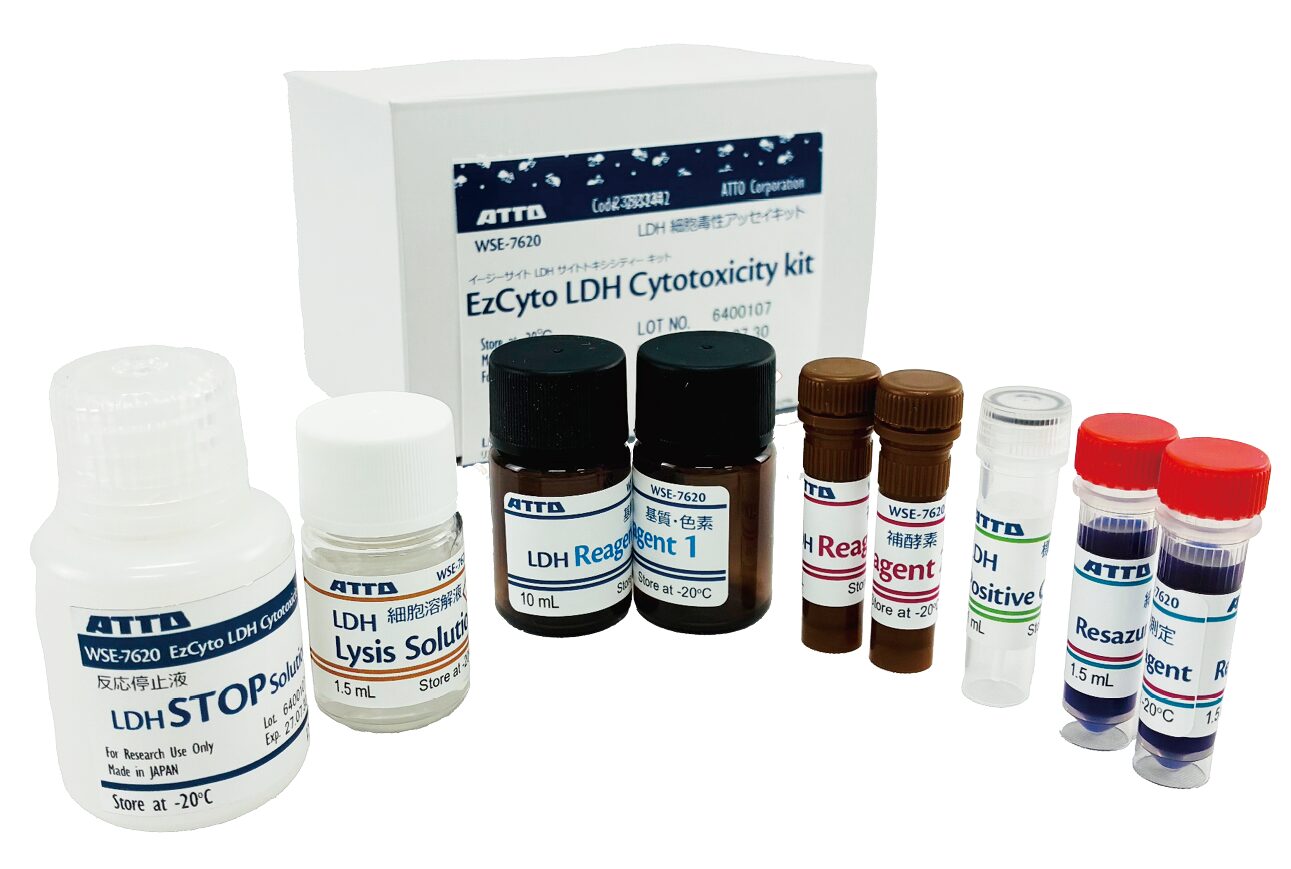
| Kit Contents | ① LDH Reagent 1: 5 mL × 2 ② LDH Reagent 2: 1 mL × 2 ③ LDH Lysis Solution: 4 mL ④ LDH Stop Solution: 12 mL ⑤ LDH Positive Control: 0.05 mL (10 kU/mL) ⑥ Resazurin Reagent: 1.2 mL × 2 |
| Capacity | Approx. 200 samples |
| Chromogenic Reagent | INT (Iodonitrotetrazolium Chloride) |
| Detection | Absorbance: 490 nm / Reference: 680 nm |
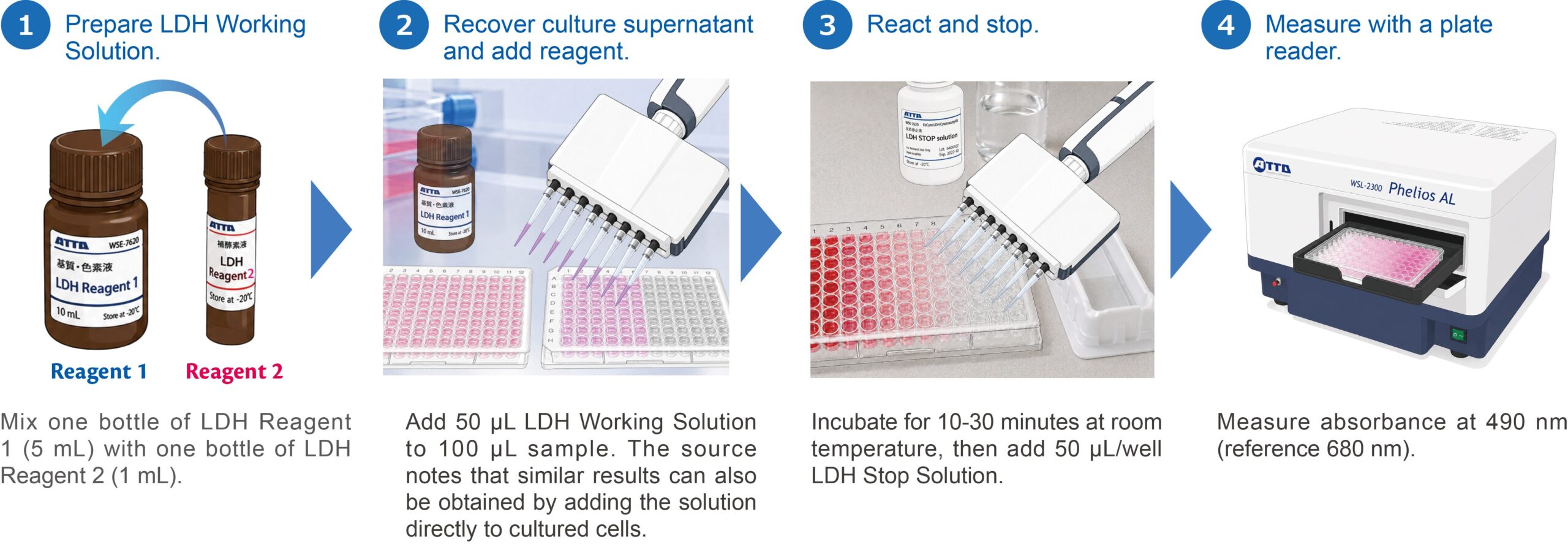
| Reagent Preparation | Mix one bottle of LDH Reagent 1 (5 mL) with one bottle of LDH Reagent 2 (1 mL) to prepare the LDH Working Solution. |
| Protocol | ① Add 50 µL of LDH Working Solution to 100 µL of sample. ② Incubate for 10–30 min at room temperature. ③ Add 50 µL/well of LDH Stop Solution. ④ Measure absorbance at 490 nm with a reference wavelength of 680 nm using a microplate reader. |
| Storage | Protected from light, frozen (≤ −20°C): 1 year from date of manufacture Protected from light, refrigerated (2–10°C): Approx. 3 months Prepared LDH Working Solution: Approx. 4 weeks frozen (≤ −20°C) or 2 weeks refrigerated (2–10°C) |
| Shipping Conditions | Refrigerated or frozen |
| Shelf Life | 1 year from date of manufacture (unopened) |
Ordering Information
| Code No. | Description | Unit |
|---|---|---|
| 2332442 | WSE-7620 EzCyto LDH Cytotoxicity kit | 1 pk |
Related products